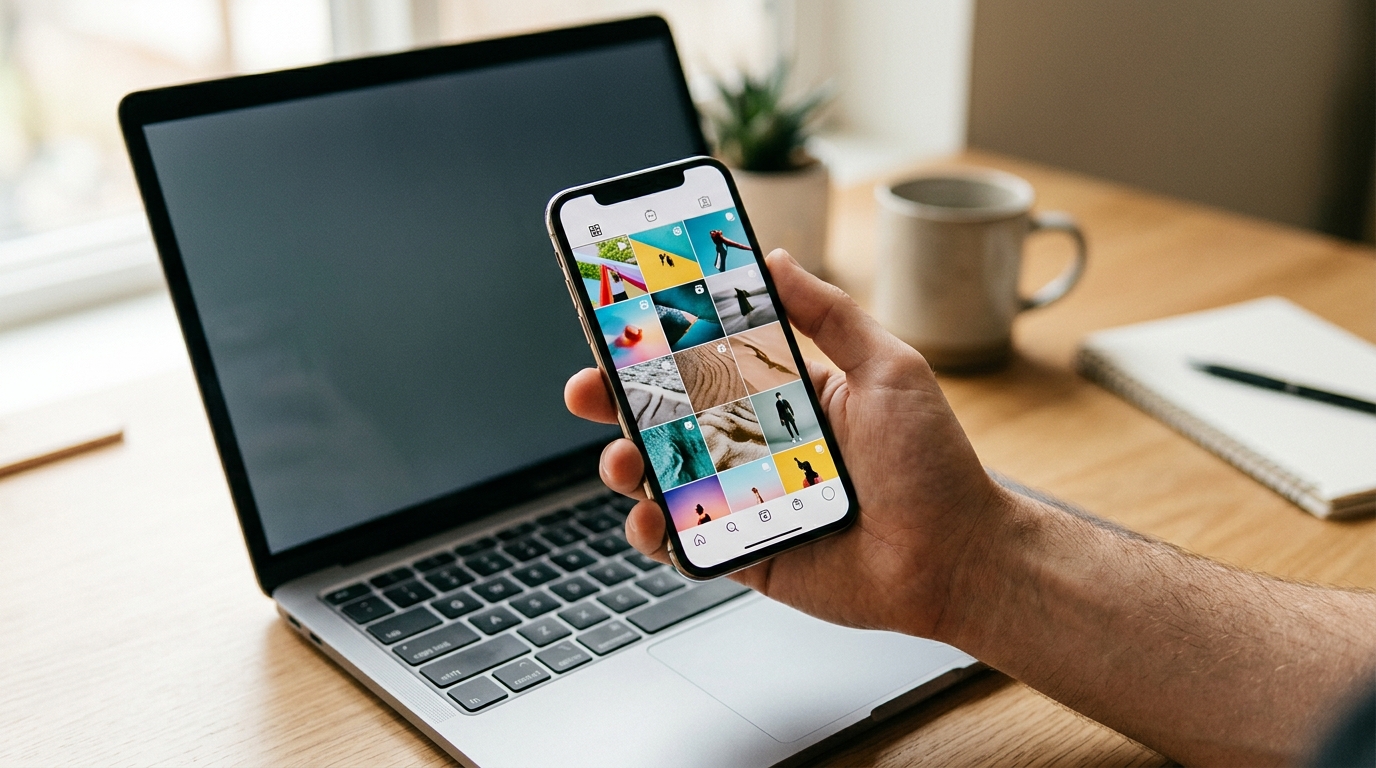
TikTok LIVE can be useful when a real-time conversation serves your audience better than a recorded post. A product demonstration, question-and-answer session, interview, or behind-the-scenes process may give people a reason to participate and ask follow-up questions. It is not automatically the right format for every brand or message.
Use LIVE when you can name a specific purpose, prepare a host and moderator, and give viewers a clear next step. If you only have a short announcement, a recorded video or post may be more useful.
Who can go LIVE on TikTok?
TikTok states that you must be at least 18 years old to go LIVE. You must also meet a minimum follower threshold that can vary by region. Do not rely on an old universal rule such as age 16 and 1,000 followers. TikTok can change eligibility, feature availability, and local thresholds.
Check the current requirements in TikTok's official LIVE support guidance before planning a broadcast. Your account also needs to remain in good standing under TikTok's Community Guidelines and applicable terms.
Gifts are separate from simply starting a LIVE. Availability, age requirements, and eligibility can vary by location and account. If gifts matter to your plan, review TikTok's current in-app and official LIVE Gifts guidance rather than promising them to a host or audience.
If you do not see the LIVE option
Do not assume the app is broken or that one follower number will unlock it. Check whether the account meets the age and local eligibility rules, is in good standing, and has the current app version. Then use TikTok's in-app support path to ask about the account. Do not use unofficial workarounds or ask someone else to stream on behalf of an ineligible account.
How to start a TikTok LIVE
Exact labels and available settings can differ by device, account, and region, but the standard in-app flow is straightforward:
- Open TikTok and tap the + button used to create content.
- Select LIVE from the available creation options.
- Add a clear, accurate title that tells viewers what they will get from the session. Avoid titles that make promises the stream cannot support.
- Review the settings shown for your account. Set up moderators and any available comment controls before you begin.
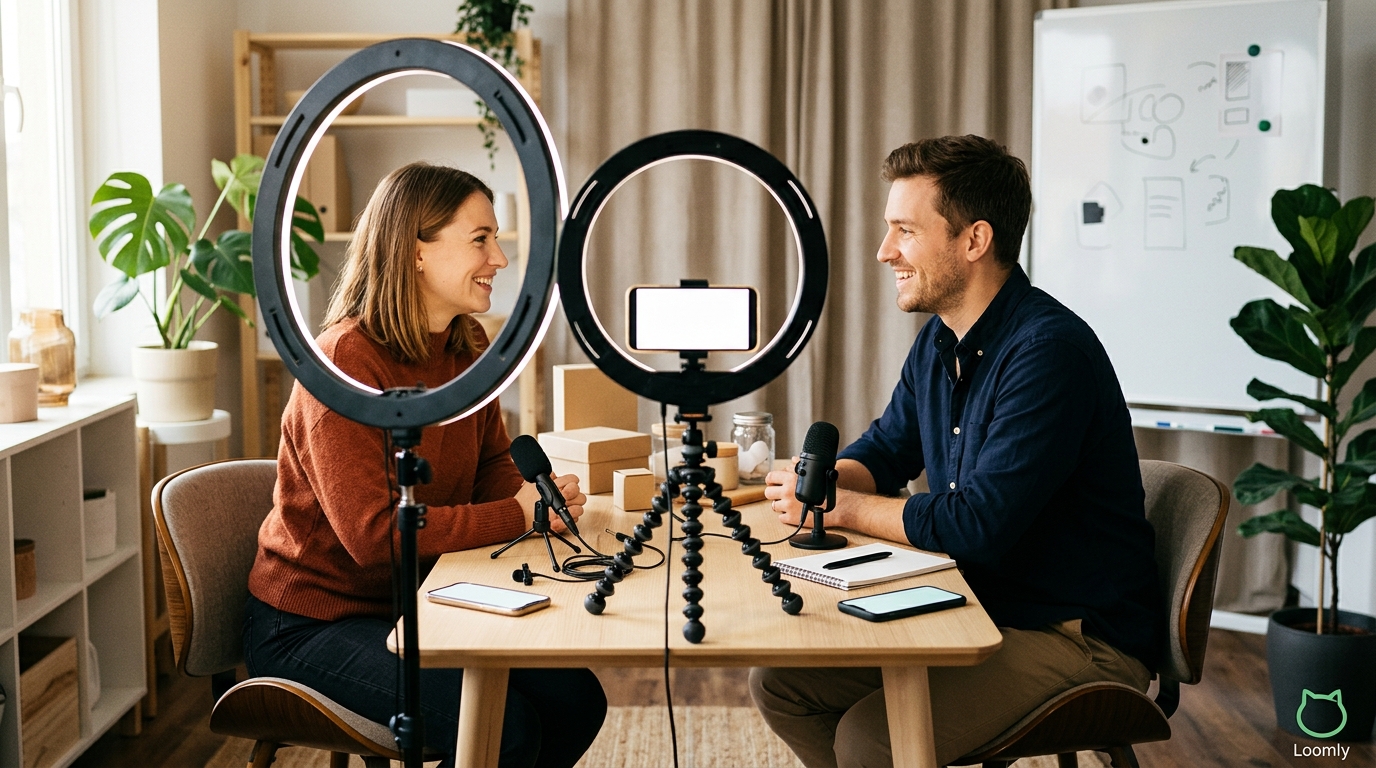
- Check framing, lighting, sound, internet connection, and anything visible behind the host.
- When ready, tap the option to start the LIVE. Use the opening minute to explain the topic, welcome viewers, and say how they can participate.
Before the first public stream, do a technical rehearsal if your account's tools and settings allow it. Confirm that the host can hear and be heard, the camera is stable, the topic is clear, and the moderator knows what to do.
Plan the broadcast before going on camera
A plan keeps a LIVE from becoming a long, unfocused conversation. You do not need a word-for-word script, but you do need an agenda that lets the host handle interruptions and questions without losing the point.
1. Choose one audience and one purpose
Start with a sentence such as: this LIVE is for [audience] who want to [learn, decide, see, or ask] [specific thing]. A skincare brand might show how a product is used and answer questions about ingredients. A local shop might introduce a new service. A software team might walk through one workflow with an expert. Do not combine a launch, company history, broad Q&A, giveaway, and sales pitch in one first stream.
2. Create a simple run of show
Write the session in blocks. For a 20-minute demonstration, the plan might be two minutes of welcome and context, 10 minutes of demonstration, five minutes of prepared and live questions, two minutes of recap, and one minute for the next step. Repeat the topic and key instruction at useful intervals for viewers who join late.
Prepare answers to predictable questions, but do not invent claims to fill time. If a question requires a factual, legal, medical, pricing, availability, or policy answer that the host cannot verify, say so and follow up through an approved channel.
3. Assign roles
One person can host a simple stream, but a brand LIVE is easier to manage with at least a host and moderator. The host explains, demonstrates, and responds. The moderator watches comments, flags questions, enforces the rules, and helps the host stay on schedule. For a product or regulated topic, add the relevant subject-matter reviewer before the stream, not while viewers wait.
4. Prepare the environment
Use stable phone support or a camera setup, face a consistent light source, and test sound where you will actually stream. Close confidential documents, customer records, internal dashboards, and notifications. If you will show a product, tool, or screen, arrange it so the important detail is visible without exposing private information.
Use a reliable internet connection and have a simple backup plan. That may mean moving to a known location with stronger connectivity, keeping a charged backup device nearby, or deciding in advance when to end and reschedule rather than continuing through a poor connection.
5. Set participation and moderation rules
Tell viewers what the session covers and how they can participate. Decide which comments you will answer, which topics are out of scope, and when the moderator should remove, mute, or report activity using TikTok's available tools. Follow TikTok's Community Guidelines and your own brand rules.
If you collect questions before or during the LIVE, do not ask people to post sensitive personal, account, payment, health, or order information in public comments. Route support cases to a secure channel instead.
Five TikTok LIVE formats a brand can use
1. A focused Q&A
A Q&A works best when the subject is narrow enough to answer well. Ask for questions in advance, prepare an ordered list, and leave room for live questions. Good examples include a seasonal service question, product-care topic, or interview with a practitioner. Avoid presenting a Q&A as individualized professional advice when it is not.
2. A product or process demonstration
Show one process from start to finish: how an item is assembled, how a feature is configured, how a recipe is prepared, or how a service appointment works. Explain what is on screen, name important limitations, and show the conditions needed to reproduce the result. Do not imply results that a typical customer may not experience.
3. A behind-the-scenes session
Take viewers into a process they normally cannot see, such as preparing for an event, packaging an order, planning a collection, or recording an interview. Decide in advance which areas, people, screens, and documents are off limits. Obtain permission from anyone who may appear on camera.
4. An expert interview
Invite a person who can explain one useful subject clearly. Agree on the topic, questions, disclosures, and boundaries before the stream. Introduce the guest, establish relevant experience, move through prepared questions, then take selected audience questions.
5. A launch or event companion
A LIVE can accompany an event, release, or announcement when it adds access rather than repeating an ad. Show the product or event context, answer approved questions, and give viewers one accurate destination for more information. Confirm pricing, stock, dates, and regional availability immediately before the stream if you plan to mention them.
How to make the stream easier to follow
- Open with context. State who you are, what the stream covers, and what viewers can ask or do.
- Use plain language. Explain terms, acronyms, and steps as they appear. A person joining midstream should be able to follow along.
- Describe visual actions aloud. This improves clarity for people who cannot see every detail of the screen or product.
- Repeat the key point. Viewers enter at different times. Restate the topic and next step without turning the stream into a loop.
- Keep claims supportable. Do not promise a reach, sales, health, financial, performance, or product result you cannot substantiate.
- End deliberately. Summarize the answer or demonstration, say what happens next, and point people to one relevant resource or support route.
Promote the LIVE without overpromising
Tell your existing audience why the session may be useful and when it will happen. A short pre-LIVE video, an email to a consented list, a website notice, or posts on other channels can work when they match your audience. Use the same title and one-sentence value proposition across channels so people know what they are joining.
Do not promise that every follower will receive a notification, that the stream will reach a certain audience, or that a promotion will apply everywhere. Platform delivery and feature availability are not fully under a brand's control. If you are offering a discount, sweepstakes, or giveaway, have the terms, geographic restrictions, eligibility, and required disclosures reviewed before promotion.
What to measure after the stream
Review the LIVE against the purpose set before it began. The useful measures depend on the format. A support-focused Q&A might be evaluated by the quality and themes of questions. A demonstration might be evaluated by whether viewers completed the intended next action, such as visiting a help page or requesting a demo. An event companion might be evaluated by attendance, questions answered, or qualified follow-up requests.
Use analytics and reporting available to your account as directional information, not proof that the LIVE caused every later action. Combine numbers with a debrief: what questions repeated, where did the host lose clarity, which setup step failed, and did the moderator need a different escalation path? Use those answers to improve the next stream.
TikTok LIVE checklist
- Confirm the host meets TikTok's current age and local eligibility requirements.
- Review the account's standing and current TikTok policies.
- Write one purpose, one audience, and one accurate title.
- Prepare a run of show, approved answers, and a clear next step.
- Assign a host and moderator, and agree on escalation rules.
- Test camera, sound, lighting, internet connection, and visible background.
- Remove confidential information and obtain permission from people who may appear.
- Check any product, pricing, offer, or availability claim immediately before saying it.
- Moderate comments according to TikTok's rules and your brand policy.
- Debrief the stream and record what to keep, change, or stop next time.
A useful TikTok LIVE is a prepared conversation, not a performance marathon. Meet current eligibility rules, choose a subject you can answer responsibly, protect people and information, and use what you learn to make the next session more useful.